27/11/2026

Dijon. The Original.

The story of Dijon Limestone, in our range since 2010

The story of Dijon Limestone, in our range since 2010

Some products become synonymous with a brand. For us, it’s Dijon Limestone. Our team first sourced and selected it in February 2010, and it has been part of our natural stone range ever since, growing into our best-selling collection. Here’s where it began, what makes it distinctive and how the family has grown.

The story behind our Dijon Limestone

Dijon began in February 2010, when our team first sourced and selected it. Our founder, Alma Small, named it after one of her favourite towns in France, inspired by colours reminiscent of French limestone. She chose it for more than its looks, too. It’s a dense, durable stone with warm, consistent tones, the kind that works hard in a busy home and still looks good doing it. Over sixteen years, that first collection has grown into a full family of finishes, tones and formats, each with a character of its own.

What is Dijon Limestone?

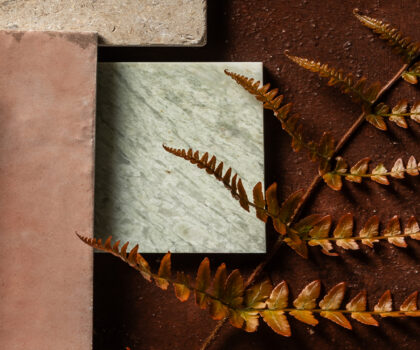
Dijon limestone is a natural stone with soft, neutral tones and gently worn, tumbled edges. The effect is lived-in, not dissimilar to traditional French or English limestone, and because it’s natural, no two tiles are quite alike. That gives every floor or wall its own quiet character. It’s a flexible choice for limestone flooring, working on floors and walls in kitchens, bathrooms and hallways, and it’s suitable for underfloor heating. If you’re new to the collection, Dijon Tumbled Limestone is the place to start.

What makes our Dijon different?

It starts with the stone itself. Dijon is dense and durable, with warm, consistent tones, and it’s selected at the quarry from a carefully chosen group of blocks, so the tiles sit together beautifully, within a batch and from one batch to the next. That calm, even warmth is what Alma chose it for, and it’s a big part of why people keep coming back to it. Add the softly tumbled edges and you have a stone that sits as easily in a country kitchen as in a calm, contemporary bathroom.

Dijon vs Dijon Blend

The two share a look, but not a personality. Dijon Tumbled Limestone is the more tightly selected, which gives you greater consistency within and between batches. Dijon Blend Tumbled Limestone is chosen from a greater number of blocks, so there’s more tonal and mineral variation between and within batches. Expect more oxide markings and mineral veining, so every tile reads as distinctly natural. Choose Blend for character, and Dijon for a more settled finish. Blend also comes in slim brick and square formats, which suit walls and smaller floors. Because demand for Dijon is high, we work with several quarries, so different sizes of Blend can come from different quarries and vary a little in tone.

Exploring the Dijon range

What began as one collection is now a family. Dijon Heritage Limestone is a pale cream, tumbled and sandblasted for a soft, time-worn look, with a light surface texture where shells once sat. It’s also cut as a pentagon, an octagon and Di Scacchi, a chequerboard paired with mid-grey limestone. Dijon Provence Limestone leans warmer, in beige, honey and oatmeal tones, with edges that are chiseled and then tumbled and a stippled face that carries calcite inclusions for a reclaimed feel. Dijon Grey Tumbled Limestone takes the same soft, worn character in a cooler direction.

Formats are just as varied. Tumbled limestone tiles run from small squares up to 900 x 600mm, with free lengths, Roman Opus and Magna Opus patterns, crazy paving and matching skirting to finish the room.

Limestone flooring inside and out

Indoors, Dijon Tumbled and Dijon Blend suit limestone kitchen flooring, bathrooms and hallways, on floors and walls alike. Outdoors, the Dijon Tumbled Outdoor Limestone and Dijon Blend Tumbled Outdoor ranges are cut thicker, at 30mm, and work as limestone paving for terraces and patios. Bullnose pieces finish the edges, and Dijon limestone cobbles add another way to lay it. The same soft tones carry through, so inside and out can feel like one space.

Living with natural limestone

Dijon is made to be lived on. Sealing is recommended indoors to protect the surface, and the worn edges age gently, so everyday marks tend to blend in. Outdoors, you can seal it to slow weathering or let it weather naturally. Our guide to how to seal and clean a limestone floor walks through it step by step, and our guide to choosing the right grout will help you pick a soft, warm shade that sits well with its tones.

Natural stone, our way

Dijon was where we started with limestone, not where we stopped. If you’re exploring natural stone flooring more widely, our natural stone tiles include marble and a wider choice of limestone tiles, each with its own character.

Find your Dijon

The best way to choose is in person. Order a free cut sample, or visit your nearest showroom to see the Dijon family side by side.

Order samples →

Find a showroom →

Navigation

FAQs

A natural limestone with soft, neutral tones and tumbled edges, named after a favourite French town of our founder, Alma Small. It has been part of our range since 2010.

Dijon Tumbled has warm, consistent tones. Dijon Blend has more variation, with oxide markings and mineral veining.

Yes. Dijon Tumbled and Dijon Blend suit kitchen floors and walls, and are suitable for underfloor heating. Sealing is recommended.

Sealing is recommended indoors to protect the surface. Outdoors, you can seal it to slow weathering or let it weather naturally.

DIJON IN REAL HOMES

My #mandarinstone

Share your project by tagging @mandarinstoneofficial

Share this

Stay in the know,
sign up for exclusive inspiration & offers

Join our newsletter for exciting insights, exclusive offers, design inspiration, and more.