19/12/2025

Tile Trends for 2026: Colour, Texture and Natural Stone

Discover the tile trends shaping interiors in 2026. From textural surfaces and natural stone to rich colour and artisanal tiles, explore Mandarin Stone’s design led perspective.

While trends can offer inspiration, at Mandarin Stone our approach has always been more considered. Rather than following trends for their own sake, our collections are shaped by what genuinely works for our customers. How people live with surfaces, how designers specify materials in real projects, and how tiles feel and perform over time.

Looking ahead to 2026, we are seeing a clear shift towards texture, material authenticity and confident use of colour. These are not short lived ideas, but thoughtful design directions that allow interiors to feel warm, expressive and personal, while remaining timeless

Neutral bathroom with fluted marble wall tiles and a chequered marble floor in warm white and brown tones
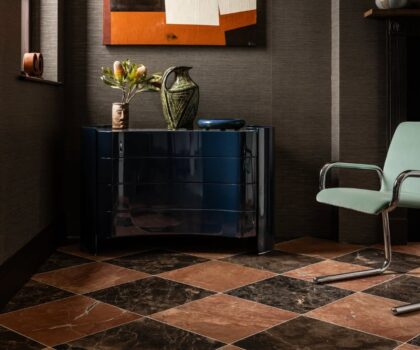
Top-down view of striped marble floor tiles in cream, pink, and dark veined stone, with part of a green armchair and ottoman visible.
Interior scene with a blue tiled kitchen island on a light wood effect porcelain floor, topped with a white vase holding red branches, set against dark wood-paneled walls with a white pendant light and stools nearby

Textural surfaces become architectural features

Texture takes centre stage in 2026, particularly across wall design. Tiles are increasingly used to add depth, shadow and surface interest, turning walls into architectural features rather than simple backdrops. Texture introduces movement and tactility, creating spaces that feel layered and engaging without relying on bold pattern.

This direction spans both porcelain and natural stone. Organic stone effect porcelains, such as the Tacta collection, offer subtle surface variation and structured relief, adding softness and depth to shower walls, splashbacks and feature areas. Sahara porcelain, known for its earthy, natural palette, is also available in selected shades in a fluted design, allowing texture to be introduced while keeping an understated, calm aesthetic.

Natural stone brings another layer of richness. Textured and fluted marbles introduce sculptural interest and celebrate the inherent variation of the material. Used thoughtfully, these surfaces add quiet drama and a sense of permanence to interiors.

Gloss finishes continue to evolve within textured formats. Hoxton, with its flute and ridge designs, combines reflective glaze with structured surface detail, while Hoxton Square Geo introduces a softer, organic relief. This is complemented by Grafton, a high gloss brick tile available in confident, current shades, bringing colour, rhythm and light play to walls.

Minimalist bathroom sink with a dark blue wall-mounted basin and brass fixtures against vertically striped muted beige textured tiles, with a small wooden stool holding soap and a folded green towel
Grid of square turquoise porcelain tiles with subtle curved patterns and natural speckled variations
Ribbed white marble tile with vertical fluting and bold dark veining running diagonally across the surface

A renewed focus on natural stone

Natural stone continues to play an important role in interiors for 2026, with growing appreciation for stones that feel authentic, characterful and established. Rather than uniform finishes, designers and homeowners are embracing variation, texture and softly aged surfaces.

The introduction of Dijon Heritage reflects this shift. Designed to capture the feel of an old stone floor, the collection combines tumbled edges with a sandblasted surface to create a gently worn, time aged appearance. Available in a wide range of formats, Dijon Heritage offers flexibility across kitchens, hallways and living spaces.

Following the popularity of Dijon blend brick cobbles, the range has expanded to include new cobble formats in sandstone and limestone, offering a wider colour palette and a more characterful look. These stones are particularly well suited to outdoor spaces and thresholds, helping to create a natural flow between interior and exterior.

Marble remains central to this story. Verde tumbled marble, with its soft green tone, continues to be a popular choice, while 2026 will see new formats introduced in some of our warmer and more strongly veined favourites, including Fitz Claret, Violetta and Rosso Levanto. These marbles work beautifully either as standalone surfaces or within patterned layouts.

Looking ahead, the reintroduction of richly toned Spanish marbles highlights the cyclical nature of design, alongside new neutral marbles with more movement, such as Royale and Crema Luisa, offering subtle interest while maintaining a calm palette.

Green stone wall tiles arranged in a grid pattern behind a marble vanity with brass fixtures and a glass pendant light
Large-format light grey stone floor tiles with subtle texture and narrow grout lines, shown in a living space with a small round side table and wooden bench partially visible
Polished deep red marble tile with dense white and light gray veining throughout
Home office with a stone tile floor laid in large rectangular slabs, furnished with wooden desks and chairs, shelves of white binders, and soft natural light

Artisanal and craft led design

Craft continues to influence tile design for 2026, reflecting a desire for surfaces that feel tactile, human and quietly expressive. Rather than leaning overtly rustic or highly polished, the focus is on balance.

Our Zellige collection remains a key reference, with softly irregular edges, tonal variation and light reactive glazes that bring depth and movement to walls. New introductions such as Jude extend this craft led approach, offering a soft, organic feel that sits comfortably between traditional and contemporary interiors.

Small format tiles play an important role here. Collections such as Mizu and the Hoxton Square range, finished in rich glazes, allow colour and craft to come together at a more intimate scale. Texture is further explored through the Alessi collection, where subtle surface relief adds depth and interest.

Mosaic design also evolves in a considered direction. Briquette offers small, quietly artisanal mosaics supplied on a practical mesh backed sheet, available in classic white and a popular green. Alongside this, rustic cut marble mosaics and new marble maxi brick mosaics introduce an organic, hand worked look with a contemporary edge.

Completing this direction is Bowie, a new collection that creates the look of artisan glazed mosaics in rich, saturated shades, offering depth and character without feeling overly decorative.

Grid of square coral tiles in warm burnt-orange tones with subtle surface variation and visible grout lines
Glossy dark green square wall tiles with fine geometric line patterns, shown in a bathroom setting with a copper vessel sink, brass faucet, and folded towel
Matt dark blue square wall tiles arranged in a grid with light grout lines, shown behind a wall-mounted brass faucet and terracotta sink
Mosaic of small square marble tiles in mixed white and gray tones with natural veining arranged in a staggered grid pattern

Colour, confidently

Colour is a defining element of tile design for 2026. Across natural marble, marble effect porcelain, ceramics and stone effect surfaces, there is a clear move towards warmer, richer shades that create welcoming, expressive interiors.

Reds, browns, oranges and greens bring warmth and emotional depth, influencing how a space feels as much as how it looks. Marble, whether natural or marble effect, plays an important role here. The richness of stones such as Fitz Claret or green marbles introduces colour with natural movement, while marble effect porcelains such as Savoy in Rosso and Rosa offer a more controlled yet expressive alternative.

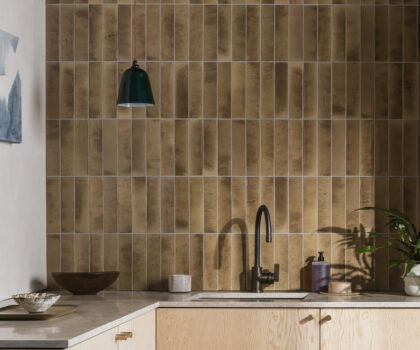
Ceramic collections further enhance this palette. Jude introduces soft pinks and peaches, while Hoxton Toffee adds deeper caramel tones through its glossy surface. Stronger reds appear in collections such as Mizu and Grafton, while Tacta Red Linear combines confident colour with sculptural texture.

Softer shades provide balance. Zellige Mint introduces a gentle green with natural variation, while patterned collections such as Talia offer quieter colour stories that add interest without overwhelming a space.

Decorative ceramic tiles with a repeating blue floral motif on a cream background, arranged in a four-tile pattern
Glossy orange wall tiles arranged in a vertical grid with white grout lines, shown above a marble countertop with bowls and a potted plant.
Dark green marble wall tiles with fine white veining arranged in a grid, shown behind a minimalist wall-mounted brass faucet, integrated sink, and a potted plant

Tiles as a tool for self expression

In 2026, tiles are increasingly used as a way to express individuality. Designers and homeowners are moving beyond prescribed layouts, using pattern, colour and material to create spaces that feel personal and intentional.

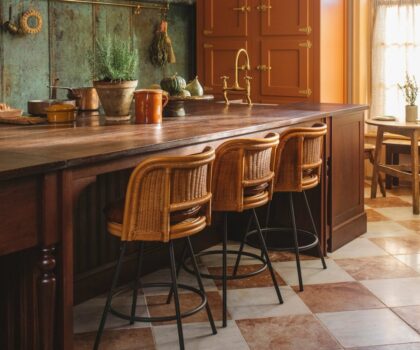
Patterned layouts evolve beyond traditional chequerboards. By combining brick and square formats, designers introduce a contemporary twist on a classic layout, adding movement and character. This approach works particularly well with natural marble or marble effect collections such as Savoy, where colour and veining enhance the overall design.

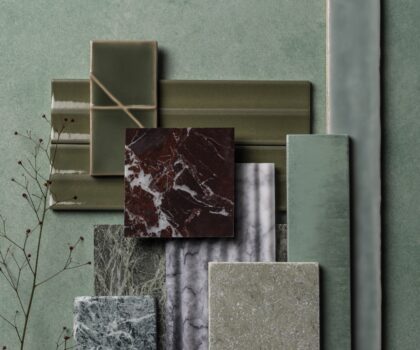
Mixing materials is another defining feature. Pairing terrazzo with ceramics, or combining natural stone with glazed bricks, introduces contrast while maintaining cohesion. Scale also plays a key role, with larger format tiles balanced against smaller bricks or mosaics to create rhythm and hierarchy.

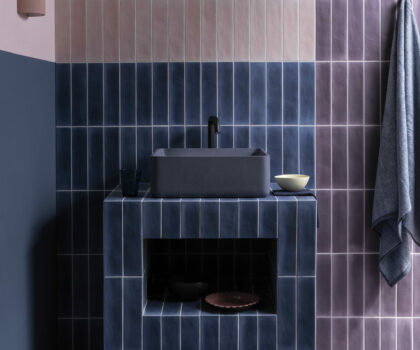
Colour drenching with tiles continues to gain momentum. Using consistent tones across walls and floors, or layering closely related shades, creates immersive interiors where tiles shape both mood and identity.

Reddish-brown porcelain floor tiles with subtle linear veining, divided by light ceppo marble inlay lines forming a grid, with the corner of an upholstered chair visible
Chequerboard style wall mosaic of small square tumbled marble tiles in mixed grey, beige, and rust tones, shown behind a white pedestal sink with brass fixtures
Bathroom with pale vertical ceramic wall tiles and a chequerboard porcelain floor in light beige and cream tones, featuring a clawfoot tub, wooden chair, and paneled door

Looking ahead

The tile trends shaping 2026 are rooted in confidence, material understanding and individuality. Texture, natural stone, craft and colour come together to create interiors that feel warm, expressive and enduring.

At Mandarin Stone, these directions are not about following trends, but about offering considered surfaces that help designers and homeowners create spaces with depth, character and longevity.

For more ideas on how to bring these 2026 tile trends into your home or project, explore our extensive tile collection and discover real-life #MandarinStone installations. Shop online or visit one of our tile showrooms across the UK. Browse our lookbook or contact us on +44 (0)1600 715444 to find out more

Tile trends for 2026 focus on texture, natural materials, artisanal finishes and warm, expressive colour palettes across marble, porcelain and ceramic tiles.

Yes. Textured tiles remain particularly popular for wall applications, where surface relief and interaction with light add depth and architectural interest.

Natural stone continues to be widely specified in 2026, with an emphasis on authentic finishes, characterful surfaces and timeless appeal.

Warm reds, earthy browns, soft greens, peaches and layered neutrals are shaping tile colour trends, creating interiors that feel welcoming and expressive.

Share this

Stay in the know,
sign up for exclusive inspiration & offers

Join our newsletter for exciting insights, exclusive offers, design inspiration, and more.